
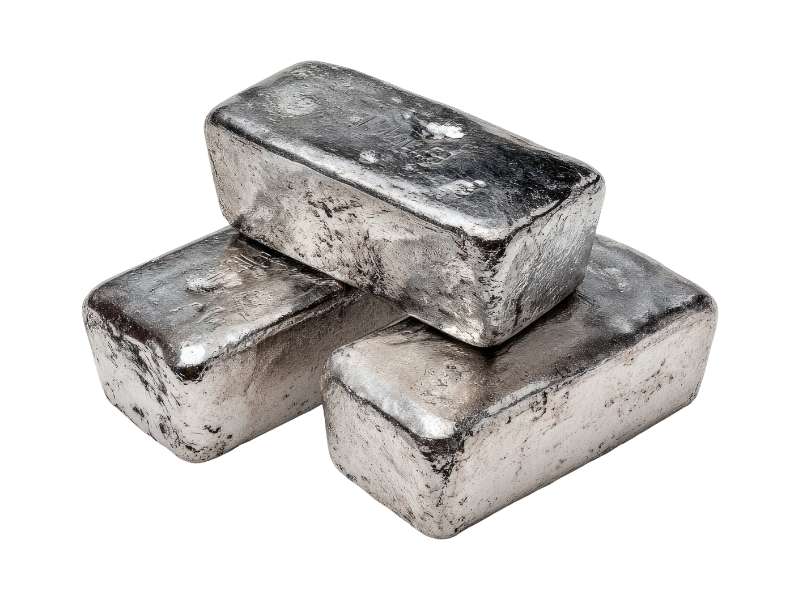
Getting to Know Zinc Ingot and Their Production Process
After being refined, pure zinc metal is created as Zinc Ingot, which are then shaped into regular bars. This makes it easier to store and transport it as well as use it in a variety of production processes. In the industry, “ingot” refers to metal that has undergone initial melting and casting processes and is ready for further processing as needed
Zinc Ingot: What Is It?
A zinc metal with a purity of 98% to 99.99% is called zinc ingot. This metal is essential to modern industry and large-scale infrastructure. It’s common knowledge that zinc resists corrosion. It can also be used to cover other metals because of its strength and reactivity. Moreover, industrial melting is made easier by its comparatively low melting point. Large-scale industrial companies prefer this material because it is stable, long-lasting, and simple to process.
The Production Process
Now that we know what it means, let’s talk about how this zinc is made. For large-scale industrial production, there are typically two primary production lines.
1. Pyrometallurgical Process
This pyrometallurgical process has many benefits because of its large production capacity and cost-effectiveness. The ore is first roasted to convert the sulfide to oxide, and the zinc oxide is then reduced by heating in a special furnace until it turns into zinc vapor, which is then condensed to produce liquid zinc metal, which is poured into molds to form ingots
2. Recycling Process
Because zinc can be recycled without sacrificing quality, it is essential to the world’s supply. Used zinc alloys, industrial trash, and galvanizing scrap are the usual sources of recycled materials. Recycling, which comes from the manufacture of fresh ore, uses less energy and satisfies strict sustainability requirements in many nations. As a result, recycling’s contribution to the manufacture of zinc materials is increasing
Zinc ingots with different levels of purity are produced by both production methods. This satisfies industry requirements for everything from alloy production and chemical applications to galvanizing and the manufacturing of mechanical components. Because of their adaptability, ingots remain an essential component of the global supply chain.